
Geopolitics continues to reshape global supply chains.
The recent announcement by Yemen's Houthis declaring a naval blockade targeting Saudi Arabia through the *Bab Al Mandab Strait* has once again brought one of the world's most critical maritime chokepoints into focus.

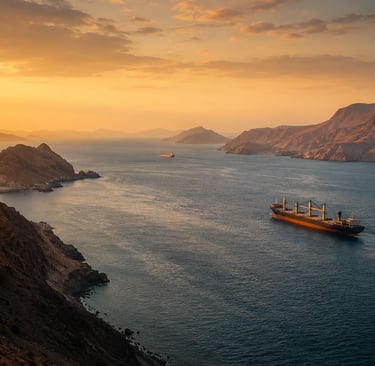
The recent announcement by Yemen's Houthis declaring a naval blockade targeting Saudi Arabia through the Bab Al Mandab Strait has once again brought one of the world's most critical maritime chokepoints into focus.
While the immediate impact remains uncertain, the potential implications for global shipping are significant.
Why it matters:
Bab Al Mandab carries approximately 12% of global trade* and nearly 25% of container traffic transiting the Suez Canal.
Any escalation could drive up war-risk insurance premiums, increase freight costs, and create further uncertainty across global shipping networks.
With disruptions already affecting the Strait of Hormuz, additional pressure on the Red Sea would further challenge regional and global supply chains.
Although many analysts view the announcement as a strategic pressure tactic rather than an imminent full-scale blockade, developments in key maritime corridors continue to influence carrier operations, routing decisions, and supply chain planning.